Motorola + GrapheneOS: A New Standard for Secure Business Phones

In a landmark announcement at MWC 2026, mobile giant Motorola has officially partnered with the GrapheneOS Foundation. This collaboration marks a significant shift in the Android ecosystem, prioritizing professional-grade security and uncompromising personal privacy.

Hardware Meets Hardened Software

GrapheneOS, long regarded as the gold standard for mobile security, was previously limited to Google Pixel devices. Motorola aims to change this by integrating GrapheneOS”s advanced features—such as memory corruption mitigations and fine-grained permission controls—into its premium hardware like the ThinkPhone series.

Why This Partnership Matters

  • De-Googling Options: While Android-based, GrapheneOS allows users to operate without any reliance on Google Services, ensuring total data sovereignty.
  • Integrated Protection: Motorola will grant GrapheneOS teams access to proprietary hardware features (like encryption chips), providing security that third-party ROMs cannot match.
  • B2B Dominance: Paired with Lenovo”s Think ecosystem, GrapheneOS-powered Motorola devices are set to become the preferred choice for finance, government, and legal sectors.

Impact on Global Users

While initial rollouts target the B2B market, this partnership signals mainstream validation of privacy-focused operating systems. We expect to see privacy-enhanced firmware options across more consumer-grade Motorola devices in the near future.

💡 Related Resources

Stay updated with the latest in global tech at smdhb.com.

AI Degradation in Long Chats: Why GPT-5 Accuracy Drops Over Time

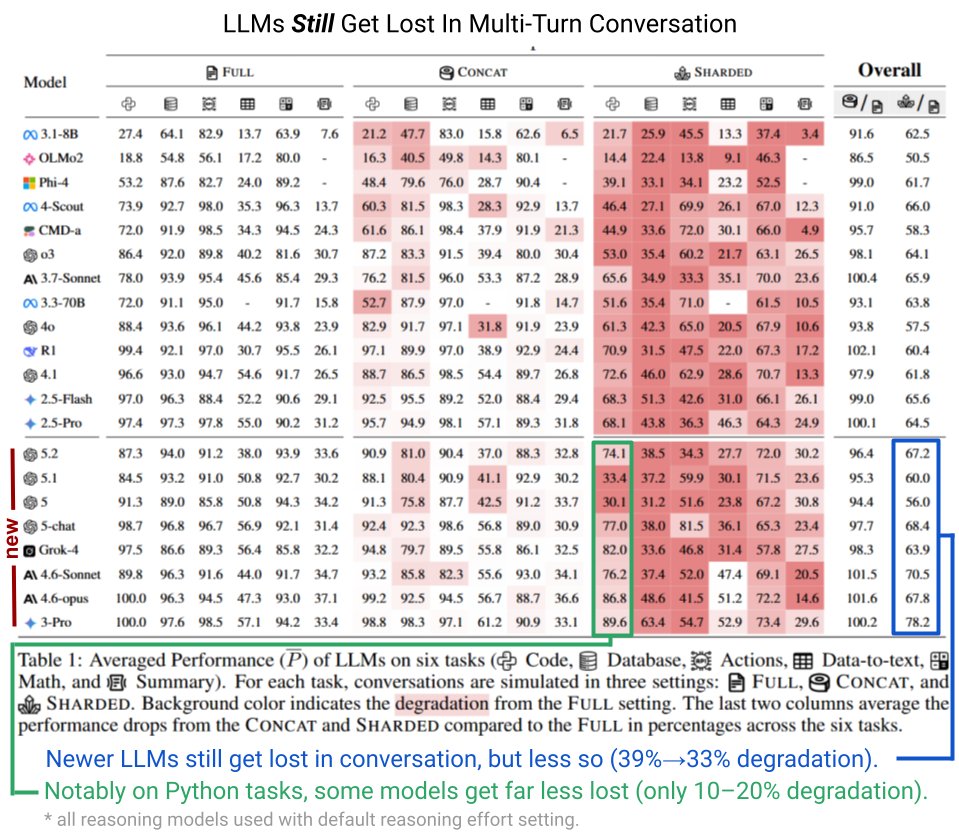
Whether you are using ChatGPT (GPT-5), DeepSeek, or Claude, you might have noticed a subtle decline in intelligence during extended sessions. Recent scientific research confirms this intuition: even the most advanced AI models suffer significant performance degradation in long conversations.

The Research: Longer Chats, Lower Accuracy

Researcher Philippe Laban and his team recently conducted in-depth stress tests on the latest generation of Large Language Models (LLMs). The study covered six key domains: coding, database querying, math, and summarization. The results were startling: accuracy dropped by up to 33% when task-relevant information was spread across multiple turns (sharding) rather than a single prompt.

Study shows a clear performance dip as conversation turns increase.

Why Does This Happen?

Despite modern models having massive context windows, “remembering” data isn”t the same as “understanding” it in context. As dialogue grows, background noise accumulates. When information is sharded across messages, the model”s logical reasoning is disrupted. Interestingly, technical tweaks like lowering temperature values do not solve this underlying architectural flaw.

3 Practical Tips to Keep Your AI Smart

  • Start Fresh Often: Avoid keeping a single chat window open all day. Initiate a “New Chat” whenever a topic shifts or a task enters a new phase.
  • The Summary Inheritance Method: Before starting a new chat, ask the AI to summarize all key conclusions from the current session. Paste this summary as the first prompt in your new window.
  • Prioritize Single-Prompt Input: Try to provide all necessary background information in one go rather than drip-feeding details across five separate messages.

Conclusion

AI performance is dynamic, not static. Understanding these limitations is key to maintaining high productivity in 2026. Keep your conversation windows “fresh” to ensure the best results.

💡 Featured AI Tools

For more deep dives into global tech trends, stay tuned to smdhb.com.